
Aesthetic Considerations
A frame should complement a painting without being visually distracting and relate to the space in which it is displayed. Everyone has their own preferences and tastes when it comes to framing a painting, but there are various aesthetic considerations to keep in mind when selecting a frame for your art.
When considering framing for your contemporary paintings, there are generally two paths to follow:
- Contemporary art enhanced with a minimalist frame
- Contemporary art complemented by a traditional frame
While there is no major difference in the processes used to create gilded finishes for both types of frames, the burnishing and gilding of the minimalist styled frames requires a more exacting application to ensure the smoothest possible surface.
Contemporary Art Paired with Minimalist Frames
Contemporary paintings and prints executed in mid- to late-20th- century styles such as Op Art, Pop Art, Minimalism, and Photo Realism often look best in minimalist gilded frames. These frames feature a clean, smooth surface and add an attractive edge to the works of art.
Lap Marks
Lap marks are one of the most distinctive features on a contemporary frame. These bars, which occur at intervals along the frame profile, are caused by the overlap of gold leaf sheets applied during the gilding process. Although lap marks are less discernible on most traditional style frames, they are much more noticeable on those with smooth gilded surfaces.
It is therefore desirable that the lap marks be thin, parallel, and consistent. There should not be evidence of too much overlap in the gold sheets. This effect is achieved by a precise application of the sheet of gold over a carefully applied gilding liquor (a mixture of glue, alcohol, and water) and by timely burnishing.
If too much gilding liquor is applied, then the glue and alcohol can stain the gold, causing dull brownish spots to appear during burnishing. If, however, too little gilding liquor is applied, then the gold may not adhere to the surface properly. The gilder should also use care to avoid rips and wrinkles in the leaf. Finally, burnishing should be undertaken with consistent, even pressure to produce the desired smooth, reflective surface.
Rub-Through Process
Another feature that is especially prominent in contemporary frames is the rub-through process. When executed properly, this technique reveals the clay layer directly beneath the gilding. Some people prefer more of the clay to be shown and some prefer less. In either case, the clay surface should never be grainy. For contemporary frames, which have no surface ornament, a light, even rub-through revealing a smooth clay surface is always the goal.
Different clay colors that alter the tone of the gold are often used. Red clay, for example, creates a warmer look, while blue-gray clay produces a cooler look.
Many contemporary frames are gilded with silver leaf or white gold, and therefore the surface must be protected from exposure to the air with a clear lacquer that prevents the silver from tarnishing.
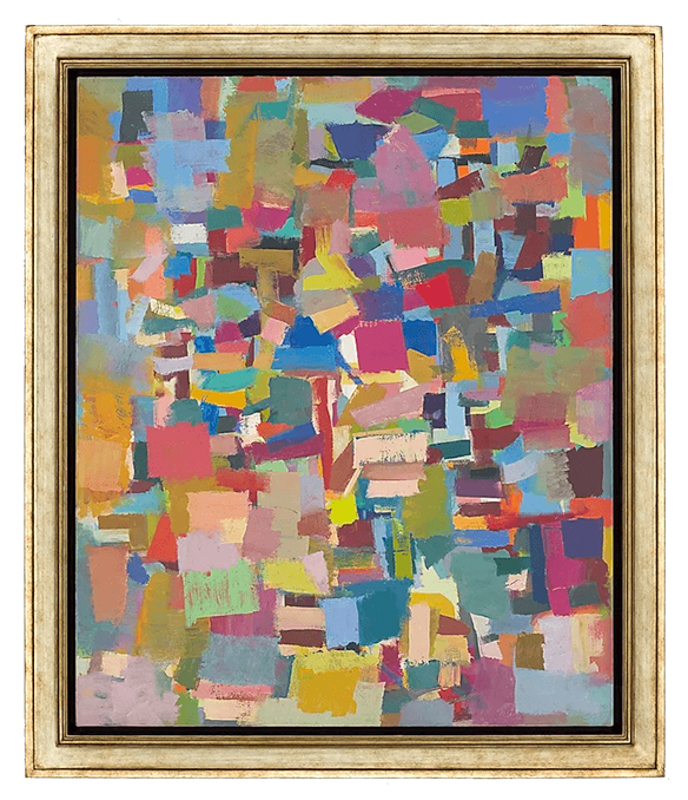
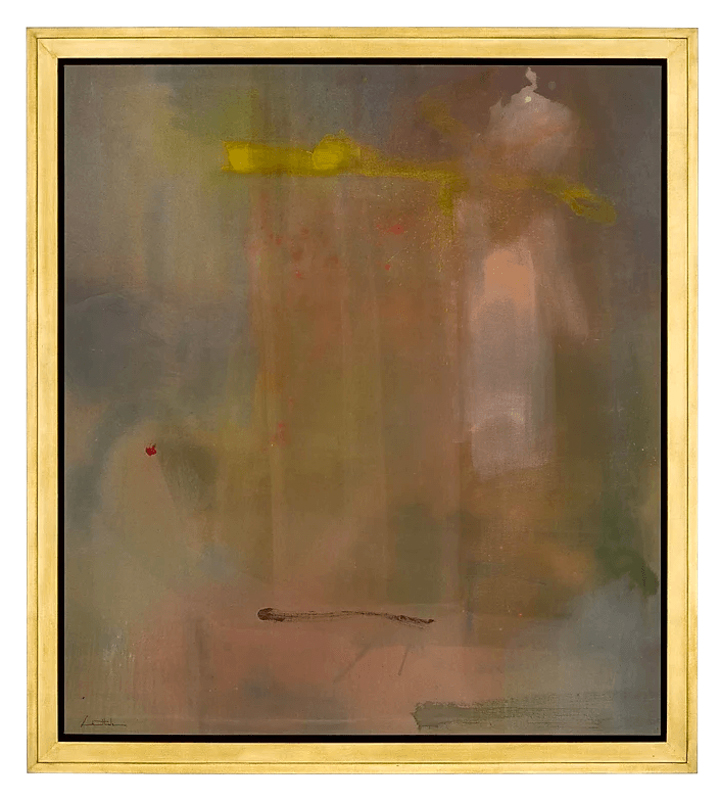
Contemporary Art Paired with Traditional Frames
Contemporary frame profiles are frequently crafted in simple flat, rounded, beveled or stepped shapes, which minimize interference with the subject matter.
However, many collectors feel that some contemporary paintings can be enhanced using more expressive carved and ornamented moldings based on traditional antique frame styles to complement the style and personality of the artwork.
Contemporary paintings executed in more representational or expressive styles are frequently displayed to optimal effect in frames with more traditional and complex surfaces finished with a richer, rubbed, or antiqued patina to complement the brushwork or style of execution.