
Regularly Monitor Your Art Collection
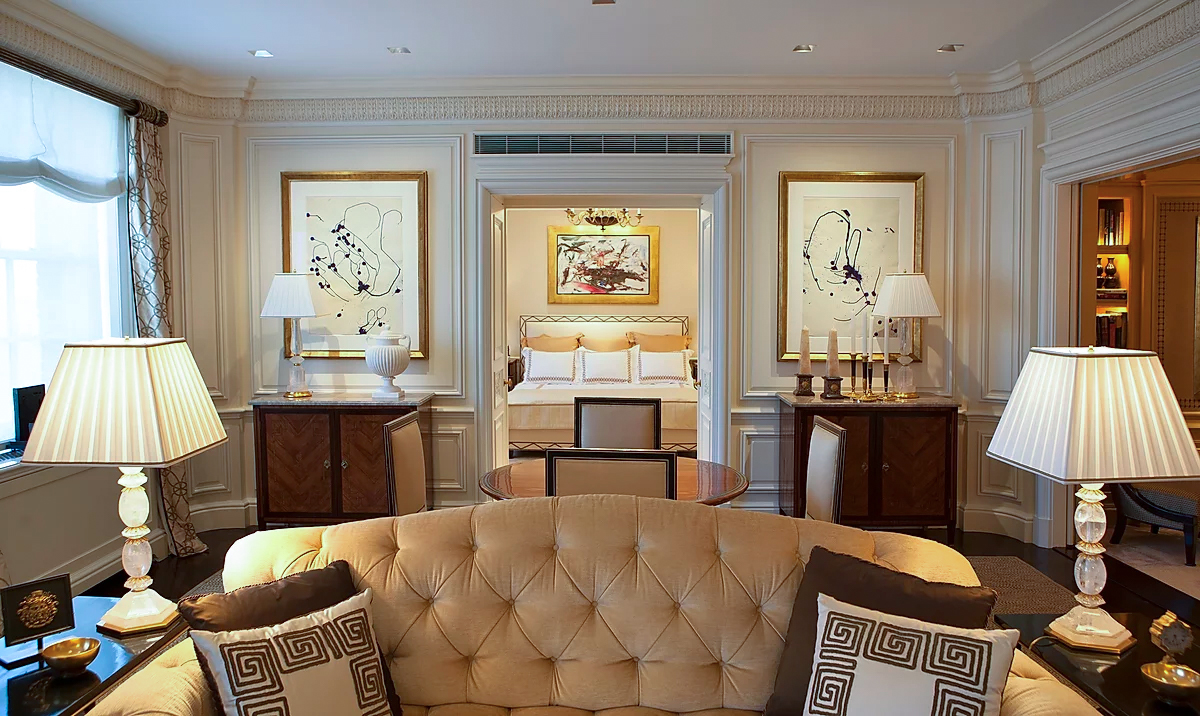
As an art collector, you have a vested interest in keeping the works in your collection looking their best and ensuring their longevity. Establishing the proper environmental conditions and regularly monitoring the physical condition of your art collection allows you to promote its well being, protect the value of your investment and preserve it for future generations.
Artwork care varies greatly depending on the type of artwork, the medium, and the environments in which it has been kept and in which it is currently on display.
Most oil paintings have been varnished to protect against common environmental hazards, but a dull or yellowed appearance may be evidence of an older, discoloring varnish that should be replaced. Cracking on the paint surface may indicate flaking, a condition that needs to be treated to avoid paint loss.
Works on paper should be fitted with archival acid-free materials to prevent chemical damage to their supports. If you’re noticing a discoloration of a work on paper just under the edge of the mat, it may indicate an acidic mat that should be replaced.
Guidelines for Preserving Your Art Collection
Many works of art are fragile and will require conservation from time to time. Proper conservation should always be performed by professional art conservators. To minimize future conservation, keep the art you value in the best possible condition and prevent accidents by following these five crucial tips:
1. Provide a stable environment for your art collection
- Promote the long-term health of your art by ensuring its environment is balanced, independent of seasonal temperature changes, with as few fluctuations in relative humidity and temperature as possible.
- Extreme changes in a room’s humidity and temperature damage paintings, works on paper, and other decorative objects by encouraging paint to flake, crack, and/or grow mold.
2. Give your art the right light
- Avoid hanging art in direct sunlight. Even if you have taken the precaution of covering windows with an ultraviolet filter coating or with light-diffusing shades, direct exposure to sunlight is harmful to your art.
- Exposure to constant high levels of indoor lighting can cause serious deterioration to your art and should be avoided.
- Fitting works on paper with UV filtering glazing products can protect them from harmful ultraviolet rays that cause fading and yellowing. Manufacturers recommend replacing these products every 15 years.
- Adhesive Films can be applied to your windows for extra protection.
3. Hang your art correctly
- Consider having your art installed by professional art handlers.
- Hang your art on interior walls as they are less susceptible to environmental changes than exterior walls.
- Examine the hanging wire on a newly acquired work for screw eyes as these older hanging systems loosen over time, causing a serious accident.
- Do not hang works of art near an air conditioner vent, a humidifier, a steam radiator, or a working fireplace.
- Bathroom humidity, open windows and kitchen grease all lead to condition problems.
4. Store art securely
- Do not store art in unstable environments like an attic or basement.
- Keep stored art away from exterior walls, avoid stacking, and cover with a breathable cloth.
- Consider fine art storage for works of art not on display or too fragile for display
5. Clean art properly
- Use a synthetic dry duster without quills.
- Never use a moist cloth to clean a painting or a frame, particularly a gilded frame.
Always have a professional evaluate the condition of newly acquired art to establish a baseline for current and possible future conservation requirements.
Monitoring your collection periodically by following the above guidelines will help minimize deterioration and reduce the need for comprehensive conservation treatments.