
What Is Varnish?
Varnish is a clear, colorless solution made up of a solvent and either a natural or synthetic resin. Varnish has been used for centuries on oil paintings, and more recently on acrylic paintings, as a protective barrier against moisture and environmental pollutants. Once a painting is complete, varnish can either be brushed or sprayed on its surface.
In March 1974, Picasso’s famous painting, Guernica, was vandalized with red spray paint while on display at the Museum of Modern Art. Thanks to the painting’s protective layer of varnish, conservators were able to remove the 12 inch high letters hastily scrawled across the masterpiece on the same day it was vandalized.
Varnish can be used as an aesthetic enhancement as well as to correct surface distortions that may develop over time, including craquelure (fine web-like cracks) and dull areas caused by a contraction of the paint layers.
Synthetic Varnish vs Natural Varnish
Most fine art conservators recommend varnishing paintings because environmental pollutants are more easily removed from the varnish layer than from paint layers. Contemporary conservators prefer varnishes containing synthetic resins, which allow for the most reversible, least invasive conservation treatments, thereby ensuring that the painting will be best preserved for future generations.
Artists sometimes choose more traditional varnishes containing natural resins such as damar and mastic, which are slower to dry than synthetic resin varnishes and, therefore, are more easily applied with a brush. Some artists prefer not to use varnish at all.
Impressionist painters such as Claude Monet and Willard Metcalf, as well as Fairfield Porter and Post-War Color Field painters such as Morris Louis and Helen Frankenthaler are among those who did not varnish their paintings, opting instead for the immediate visual impact of the raw paint surface.
The Case for Synthetic Varnish
Conservators typically do not use varnishes containing natural resins. Synthetic resin varnishes like B67 and B72 are easier to remove than varnish made with natural resins. Synthetic resin varnishes are also less susceptible to discoloration over time. In keeping with the highest conservation standards, Lowy uses synthetic resin varnishes whenever possible and takes great care in their application.
Depending upon the type of painting being conserved, varnish should be applied in a way that most closely approximates the painting’s original appearance. For example, some 19th-century academic paintings typically are enhanced by a glossy finish, whereas American folk art paintings, which tend to have matte surfaces, usually require little or no varnish.
An experienced art conservator knows exactly what technique needs to be applied to bring a painting back to its former beauty and vibrancy.
When Should a Painting Be Varnished?
As conservators, we are frequently asked whether a painting should be varnished when it is cleaned or restored. To do this, one needs to evaluate the painting’s condition, understand the artist’s original intent, and be familiar with the history of varnish.
A brief history of varnish
In general, most Western culture paintings prior to the late 19th century had a protective surface coating of some kind. But then, some of the Impressionists decided they preferred the look of their paintings unvarnished. Coupled with the fact that, for a variety of aesthetic reasons, many 20th century artists also chose to omit the varnish, you can see why the decision to varnish a work is not easily made.
A case-by-case analysis
The conservator must thoroughly analyze the painting to learn the chemical composition of the existing varnish and determine if it can be removed safely. They determine whether and to what extent the existing varnish is discolored.
They carefully examine the work to see if the painting itself has structural or cosmetic problems that will require removal. The intent of the artist and the general “type” of painting must also be considered. As a rule, works such as paintings with areas of raw canvas, collage, newsprint or gloss/matte paint combinations should not be varnished.
Reversibility is a concern when varnishing works in acrylic. And of course, the individual artist’s tendency to use varnish should be researched. Armed with this information, the conservator and the client will jointly decide if a new varnish should be applied. If a layer of varnish will enhance and not alter the appearance of the painting, it is usually recommended.
Modern varnishing techniques
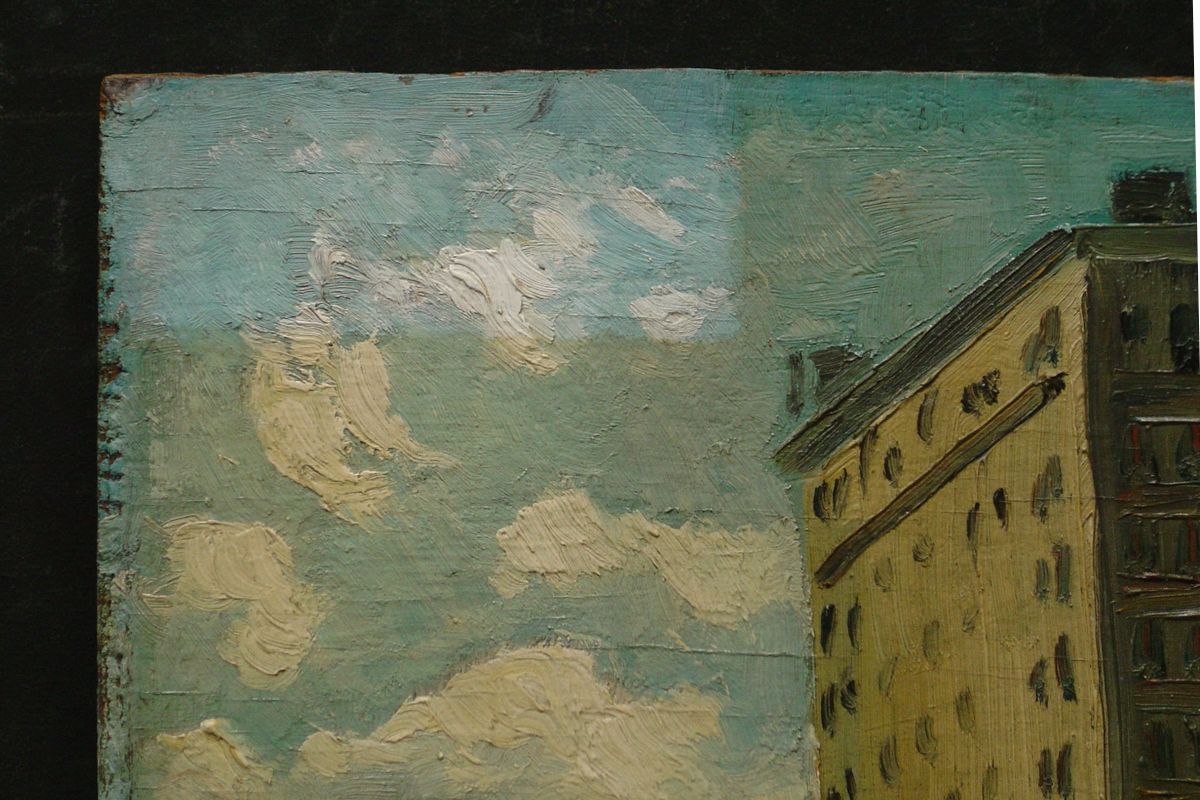
When a previously varnished painting has been cleaned, it is generally recommended that it be re-varnished with a thin layer of synthetic resin. Synthetic resins are most desirable because they are reversible and discolor very minimally, even over long periods of time. We often wonder if the Impressionists would have felt more favorably about varnish if they had the products we have today. After all aesthetic concerns are addressed the safety of the piece should be considered as was the case for Picasso’s “Guernica”.