
The Cassetta Frame: A Classic for Over 500 Years
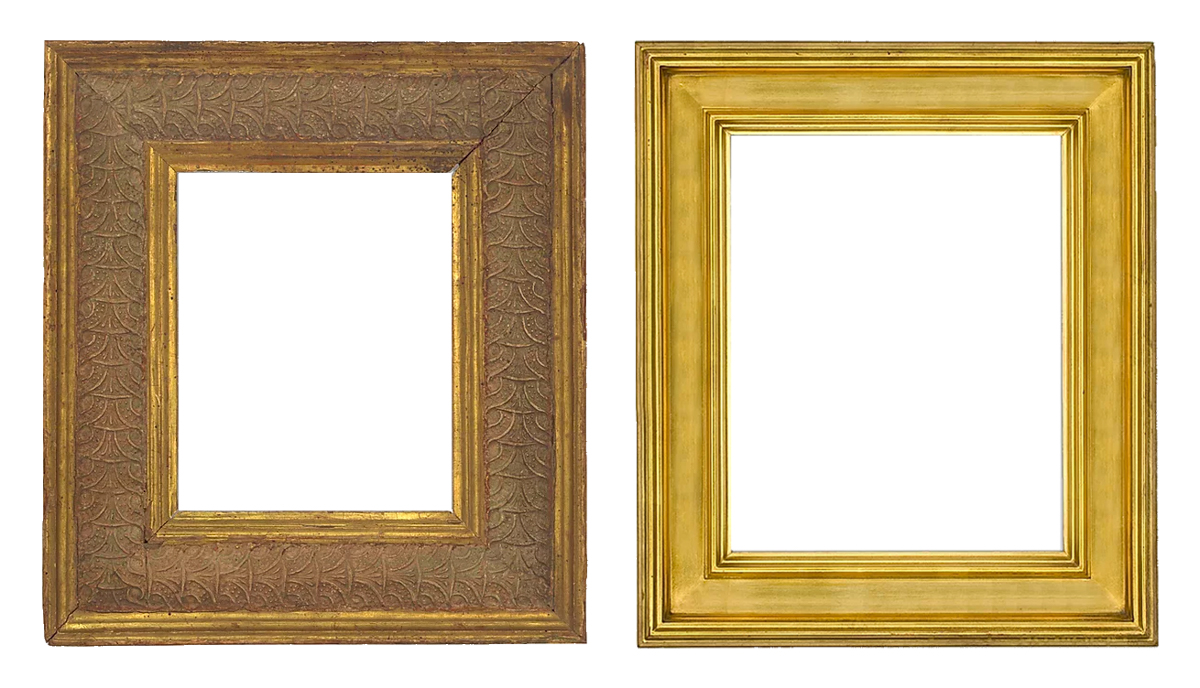
The cassetta frame style was developed in Italy during the late 15th century. They were primarily used for domestic and secular paintings. An Italian word meaning “small box”, the cassetta frame design was simply an inner and outer molding separated by a central flat recessed band called the frieze.
Cassetta frames have been used consistently as a frame design for over 500 years. It can be argued that this type of frame was probably the first example of a mass-produced frame style. Also known as box frames or plate frames, this Renaissance frame design wonderfully complements contemporary works of art.
Origins of the Cassetta Frame
The prototype of most 16th and 17th century Italian frames, the cassetta frame echoed older forms, such as the architectural borders of classical doors and windows, the painted margins of frescoes, and the decorative frames of illuminated manuscripts.
The structure of the cassetta frame evolved from its predecessor, the tabernacle frame, which was inspired by the architecture of tabernacles or wall niches in churches where the communion hosts were kept. Like the tabernacle frame, the cassetta frame was originally constructed as part of a panel painting.
In fact, its basic form had already been present in some tabernacle frames as the surrounding inner frame. Over the course of the 15th century, the architectural elements on tabernacle frames, such as columns, pilasters, and pediments, gradually disappeared, giving rise to the cassetta frame that incorporated the same molding on all four sides.
Beginning in the early 16th century in Italy’s Veneto region, cassetta frames began being constructed separately from the paintings they enclosed.
Endless Decorative Possibilities
Inspired by contemporary altarpieces, the decoration on the moldings and frieze of cassetta frames was often characterized by a Renaissance love of ornament in endless variations. For example, the inner and outer moldings varied in width and height and were either carved or uncarved, painted or gilded.
Friezes were either flat or curved, carved or embossed with Pastiglia, painted or unpainted, or gilded and decorated with punching, glazing, and sgraffito. In Italy throughout the 16th and 17th centuries, both the cassetta frame profile and decorative motifs such as arabesques, scrollwork, and stylized flowers and foliage displayed distinctive regional characteristics.
Traditional Frame for Contemporary Art
The timeless, classic style of the cassetta frame has been used consistently since the 17th century throughout Europe and later in America, inspiring contemporary frame designs.
The cassetta’s flat-panel format works particularly well with contemporary art. Contemporary frames based on the cassetta format sometimes incorporate the traditional cassetta ornament, which has been found to complement the works of artists such as Braque, Leger, and Picasso. One popular variation of the cassetta frame used today is a plain flat panel in modern burnished gold.