
Before jumping right into stretcher creases, here’s a bit of context. In fine art painting, canvas is stretched and attached to either a stretcher or a strainer. They both serve the same function – to create a rigid support system for a canvas painting. They differ in that stretchers are manufactured in such a way that they can be adjusted using custom made wooden biscuits called keys whereas strainers do not.
Over time, stretched canvas can start to lose its tautness due to a variety of factors typically associated with unstable environmental conditions as well as improper handling and storage. If the canvas was attached to a stretcher, a fine art conservator can adjust the tightness of the canvas using the wooden keys in a process called keying out. Regardless of whether a canvas is attached to a stretcher or a strainer, if it becomes slack the back of the canvas may start to touch one or more of the wooden bars.
Stretcher Bars Create Creases
Stretcher creases are distortions to the canvas and paint layer as a result of pressure from stretcher bars pressing against the back of the canvas that show through on the front of the painting. These distortions, which may also include cracks, correspond to the inside edges of the auxiliary wood support of the stretcher.
What Causes Stretcher Creases?
Most often, they occur over time as the canvases slack due to the aging process as well as changes in temperature and humidity. When the canvas becomes slack, it rests against the rigid wooden stretcher bars.
Improper storage, or a heavy paint layer, can also cause the canvas to be pressed onto the stretcher’s edges and the medium of the artwork. Stretcher creases may often be considered part of the aging process, but can sometimes appear obtrusive to the image.
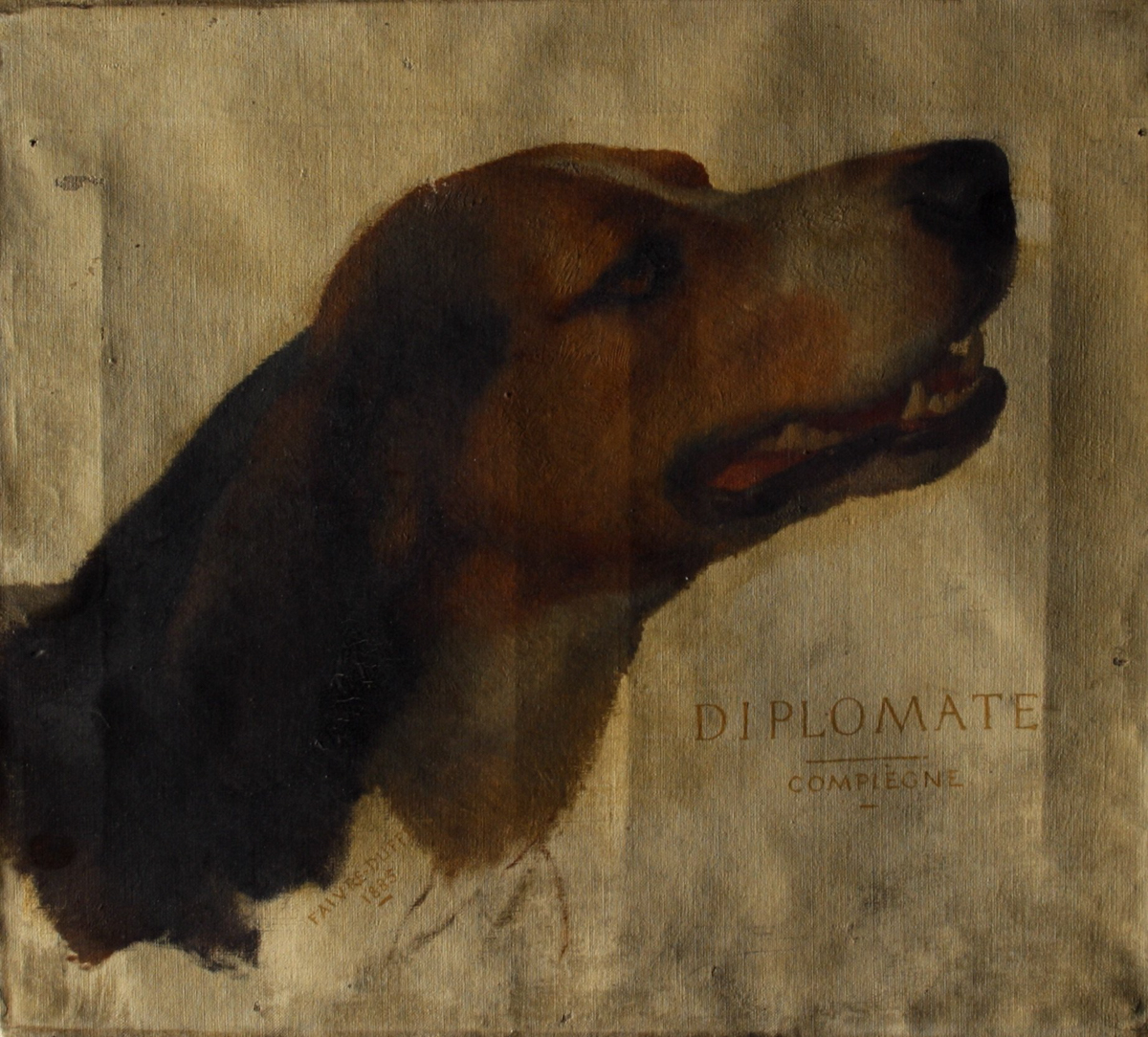
Stretcher Crease Restoration Treatments
Corrective treatments by art conservators range from the most conservative, whereby the stretcher is keyed out to provide the proper tension to the canvas, to the more complex, such as exposing the canvas to heat and pressure on a vacuum table. Minor creases can be treated with humidity on a vacuum-hot table to reduce distortions.
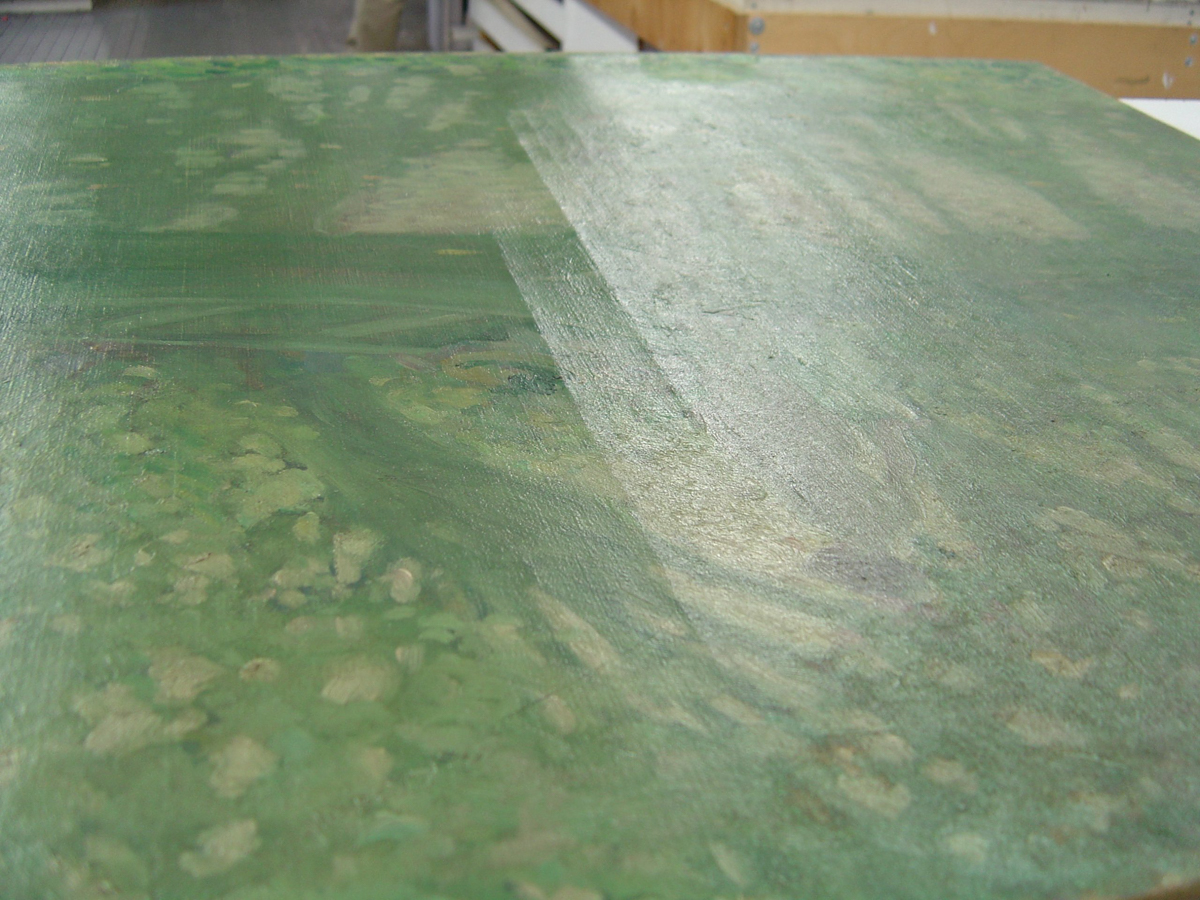
For more pronounced creases, a warmed synthetic adhesive can be applied to the back of the canvas to strengthen the original support and thereby prevent subsequent distortions.
In severe cases, the canvas may be lined to an auxiliary textile support and then properly treated. For extra support, occasionally either a mylar or Pre-cap interlayer is placed between the new canvas and the original painting.
Checklist to Prevent Stretcher Creases
✅ A painting should have a sturdy stretcher that adequately supports the paint layer.
✅ Stretchers with a greater number of crossbars can help to better support the weight of the painting and prevent warping and canvas tension.
✅ Paintings should have stretchers with keys — wooden elements inserted into a stretcher’s corners that can be gently tapped to readjust the tension of the canvas. This can be done professionally with canvas pliers by an art and frame conservator.
✅ A wood support that does not have keys and is not adjustable is called a strainer. This type of support does not allow for adjustment in the tension of a canvas.
✅ Beveled stretchers can also prevent creases by reducing the impact of sharp edges.