
As an art collector, you may be faced with some difficult decisions from time to time. For example, let’s say you’re approached by a museum asking to loan your in-demand paintings for an exhibition but don’t want to stare at bare walls until they’re returned. What about the possibility that a favorite artwork in your collection has become too fragile for display and must be properly stored for longevity. It could be that you’ve discovered the philanthropic and tax advantages of gifting your art to a museum but can’t imagine living without it. Or maybe you have multiple residences and hate the thought of being separated from your most cherished works.
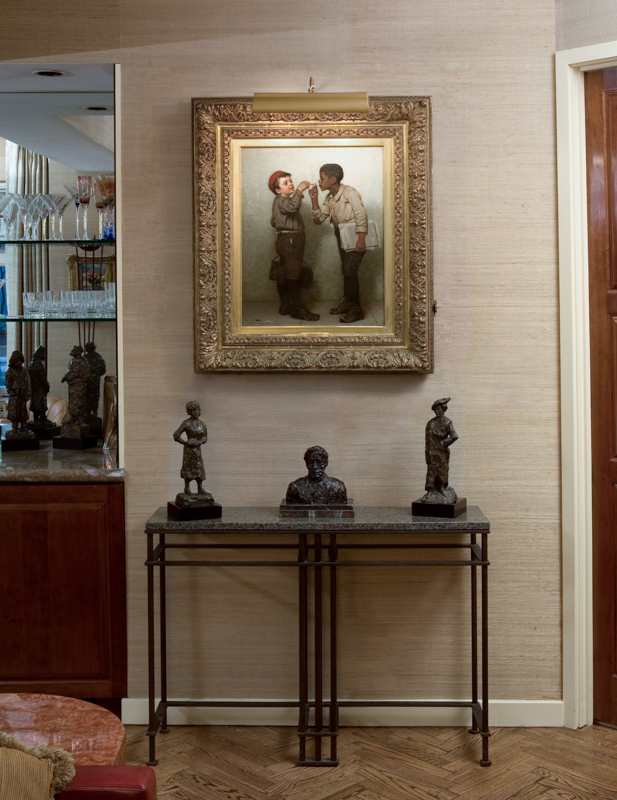
When faced with these types of challenges, creating a two-dimensional art reproduction is a great solution. Through the seamless execution of digital capture technology, art conservation techniques and custom framing, Lowy delivers expertly crafted fine art reproductions for personal use.
All of Lowy’s fine art reproductions for personal use are clearly marked as a copy on the back of the piece. As the owner of the original work of art, you must acknowledge that the reproduction is a copy only for personal use.
Stages of Fine Art Reproduction
Every Lowy 2D fine art reproduction for personal use is created in 4 stages:
- Digital capture
- Fine art printing
- Enhancement
- Custom framing
Digital Capture
The first stage of the fine art reproduction process is to create an extremely high resolution color accurate digital file of the original piece in Lowy’s digital photography studio. This is a crucial stage of the art reproduction workflow as it captures all the subtle nuances of the artwork. Industry standard color accuracy practices and specific lighting techniques are used to reveal and capture all of the original painting’s unique attributes.
Fine Art Printing
Once a super high resolution digital file is created, a test print is made using fine art printing techniques on archival canvas or paper to match the support of the original painting. The test is evaluated for color accuracy, tonal density, clarity and sharpness. Any changes required to best match the original work of art are executed in the digital darkroom. Subsequent tests and evaluations are performed until the print is as close to the original as possible.
Enhancement
After the final print is created, Lowy’s Conservation Department takes over. Depending on the support used, conservators either stretch canvas prints or mount paper prints. If the original artwork had any surface texture including brush strokes and impasto, Lowy’s experienced conservators use a variety of traditional skills and techniques to mimic these details, drawing on their extensive backgrounds in art history and fine art. They perform extensive research about the artist and their techniques. This research allows conservators to think like the artist in deciding what kind of brush to use, where a stroke should begin and end, and what kind of finish to select.
Custom Framing
The final stage of the art reproduction for personal use is custom framing. You’re totally in the driver’s seat when it comes to selecting a frame for your new fine art reproduction. If the frame on the original painting is a valuable antique, you may opt to have Lowy create an antique reproduction frame. On the other hand, you may decide that choosing a totally different frame style is a better option. Some people even choose to have the original frame used for the art reproduction and select a different frame for the original painting.
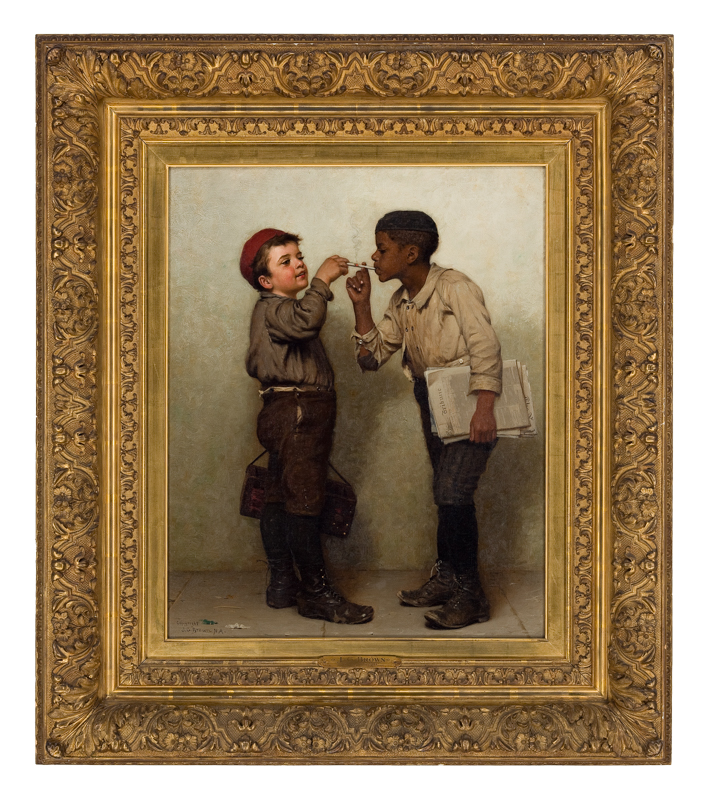
Regardless of the reasons, a fine art reproduction for personal use could be the perfect solution for collectors faced with difficult decisions regarding the works in a collection.