
Control the Environment of Your Art
If you own or collect art, you need to mitigate the environmental conditions in which you house your artworks to avoid damage to the media (oil, acrylic, watercolor, etc.) and supports (canvas, linen, wood panel, etc.). Temperature and humidity are environmental conditions that must be addressed when caring for artworks.
For over a century Lowy has advised art collectors in best practices to ensure the longevity of their works of art. Two questions always come up when discussing proper care for paintings:
“How do temperature and humidity affect my paintings?” and “What temperature and humidity levels are ideal for my art?”
Both questions cut right to the core of what negatively impacts all works of art: environmental changes. Not all media and supports respond the same way to environmental changes.
Does your collection contain oil and acrylic paintings? Are they painted on canvas? Wood panel? Do you have works on paper in your collection? Are they watercolors? Pastels? Photographs? Do you know if any of the frames in your art collection are gilt frames? All of these media and supports are impacted differently by changes in temperature and humidity.
Time of year and the geographic region in which your art is housed are important considerations when it comes to temperature and humidity. It’s well known that the change of seasons brings about fluctuations in temperature and humidity levels. But so does your postal code.
The combination of temperature and humidity levels in a drier climate like Vail are significantly different than in a humid climate like West Palm Beach. You should also consider the type of heating and cooling systems where your art is housed. If you live in New York City, does your residence have steam heat radiators? A working fireplace? All of these factors contribute to environmental changes that impact a work of art.
Here’s the good news: regardless of medium, time of year or geographic location, to ensure the preservation and longevity of your works of art you need to control the environment to limit extreme fluctuations in temperature and humidity.
Create a Stable Environment
When you assess plans to control the environment of your artworks, consider both the impacts of temperature and humidity as distinct elements and the impacts of the interplay between them. Extreme temperature and humidity or fluctuations in their levels damage paintings and frames because their multiple layers expand and contract as moisture spreads into or out of the surrounding air. The layers vary in how they swell and shrink: their components expand and contract at different temperatures and soak up moisture at different rates.
Temperature and Humidity Threats to Your Paintings
Temperature and Humidity Impacts to Canvas Paintings
Canvas is one of the most common types of medium support. Canvas becomes loose when the air is humid and it is exposed to moisture. It then tightens when the air dries out. Excessive expansion and contraction of the canvas causes it to slacken and eventually sag on the stretcher, requiring either keying out or re-stretching. A painting is healthiest when taut. Over-tightening a weakened canvas in hot weather, however, can cause further damage.
When the air becomes cooler, the canvas may tear as a result of the increased strain imposed upon it by moisture deposits. More rapid damage can result from quick changes in atmospheric conditions, as when a sensitive canvas is hung in a room heated by steam radiators, that quickly lose their heat when the steam is shut off. The constant movement of the canvas and continuous readjustments that occur in the paint layer can accelerate deterioration.
Temperature and Humidity Impacts to Panel Paintings
Wooden panels are another common type of medium support. Panel paintings react differently to fluctuations in humidity depending on the type and cut of the wood. All wood, though, expands as it absorbs moisture due to impregnated water trapped within the fibers of the wood. The resulting structural damage to panel paintings includes warping, splitting, and breaking of the wood panel support. The wooden substrate of frames is susceptible to the same risks.
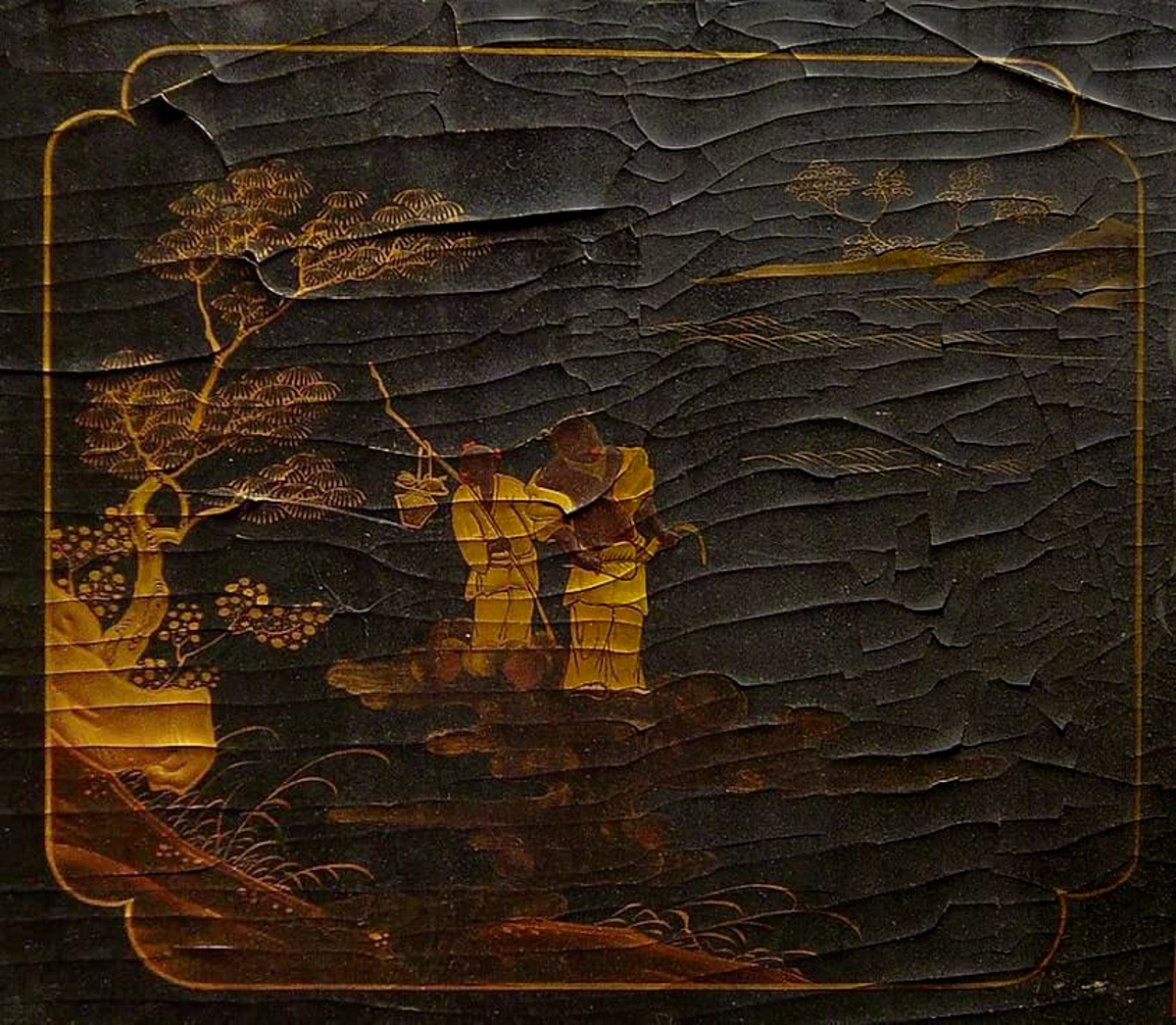
When canvas or wood panels expand and contract, the paint layer can crack, blister, flake, or become separated from the canvas or panel. Similarly, the varnish layer can develop premature hairline cracks. If the artwork is surrounded by a gilt frame, then the gilding is at risk due to possible damage to its gesso layer. If the gesso layer beneath the gilding is not thick enough to flex with the expansion and contraction of the wood, then it will detach and the gilding will flake.
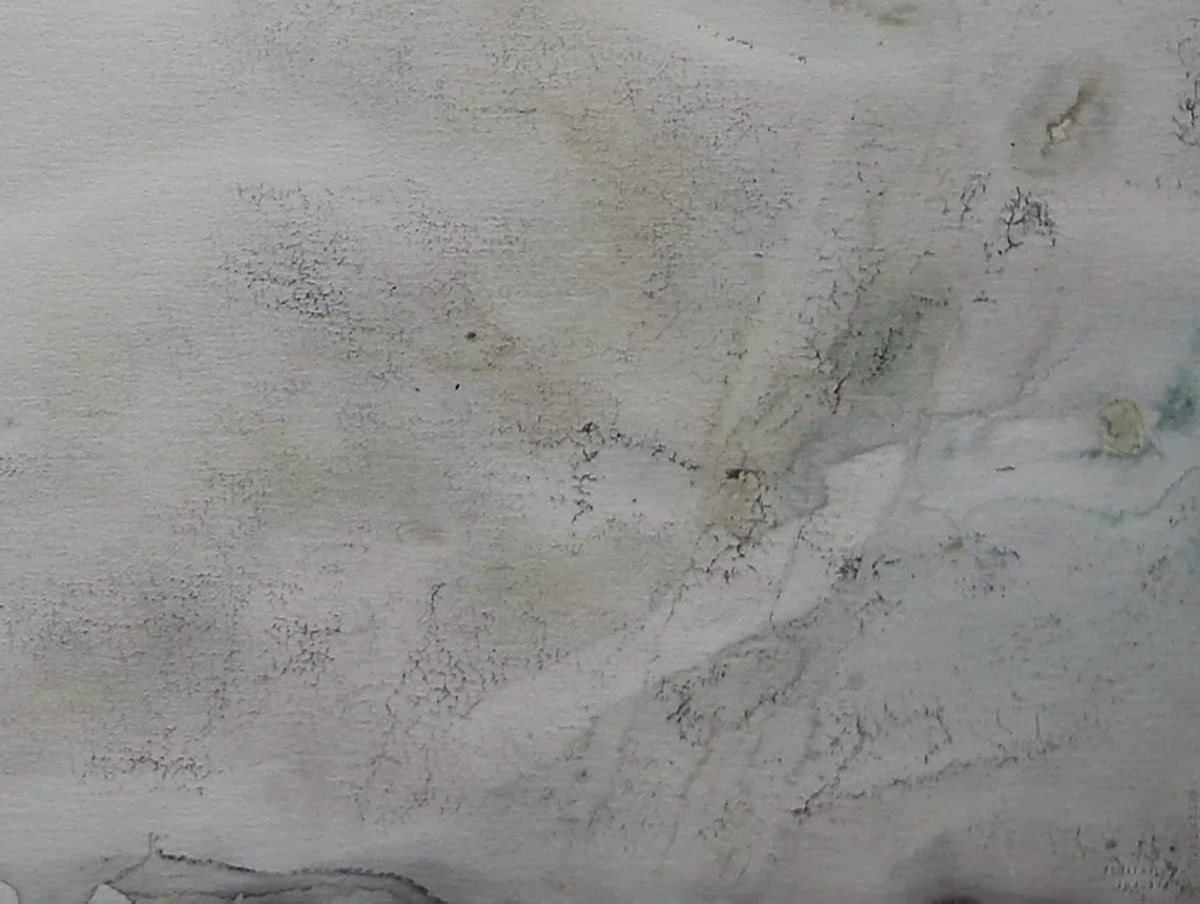
Deterioration due to physical stress is not the only threat that humidity poses to artworks. Increased humidity can also cause the growth of mold on a canvas. Mold appears in many forms and can result in staining or decay.
Even further damage can occur due to the chemical reaction of the components of your artworks to the moisture in the air. This includes blooming (a discoloration or graying) of the varnish layer and corrosion
of metals.
5 Tips to Minimize Risks of Temperature and Humidity to Your Artworks
Follow these five guidelines to maintain a stable environment for your paintings and protect them from deterioration:
1. Control the temperature
Commonly acceptable temperatures for paintings are 65 to 70 degrees Fahrenheit during winter and 70 to 75 degrees during summer. Note the importance of the temperature range: keep it within a 20-degree Fahrenheit range. A garage or attic where the temperature drops at night and goes up considerably during the day is therefore a very poor environment for artworks. Free air circulation around your artworks and insulation from extremes of heat or cold will prevent microclimates from developing and allow the different layers of your fine art objects to gently expand and contract as they normally would.
2. Keep the relative humidity acceptable
Reduce the risk of damage to your artworks by controlling the humidity level in your home. Remember that when the temperature drops the air can hold less moisture; warm air, by contrast, will hold more moisture. Relative humidity is the unit of measure that indicates how dry or wet the air is at any given temperature. Expressed as a percentage, relative humidity is the ratio of the actual amount of water vapor in a given volume of air to the amount it can hold when it is fully saturated at the same temperature.
A stable environment at around 40-60% relative humidity is best for your artworks. Here, too, the range of humidity is important: keep it within the 20% relative humidity range. Using an air conditioner in the summer and humidifier in the winter can help maintain a favorable atmosphere.
3. Hang your paintings correctly
Hang your artworks on interior walls and keep them away from heaters, humidifiers, ventilation systems, heating or cooling ducts and vents, working fireplaces, water pipes, and direct sunlight. The same applies to gilt frames and other gilded objects.
4. Provide proper storage conditions
Whether your paintings are hung for display or stored, they are equally susceptible to damage due to fluctuations in temperature and humidity. When your artworks are not on display, store them in a room with similar temperature and relative humidity levels as described above, away from external walls, and off the ground. Position the works upright and separate them with rigid dividers. If you simply stack them in a box, then increased humidity will cause them to stick together.
5. Transport your art safely
If you’re planning a move to a new residence, consult a professional art storage and logistics company that specializes in fine art handling and transportation. When moving to a significantly different climate, it is recommended to keep the crate with your paintings sealed for at least 48 hours to allow the artworks to gradually adjust to the new environmental conditions.