
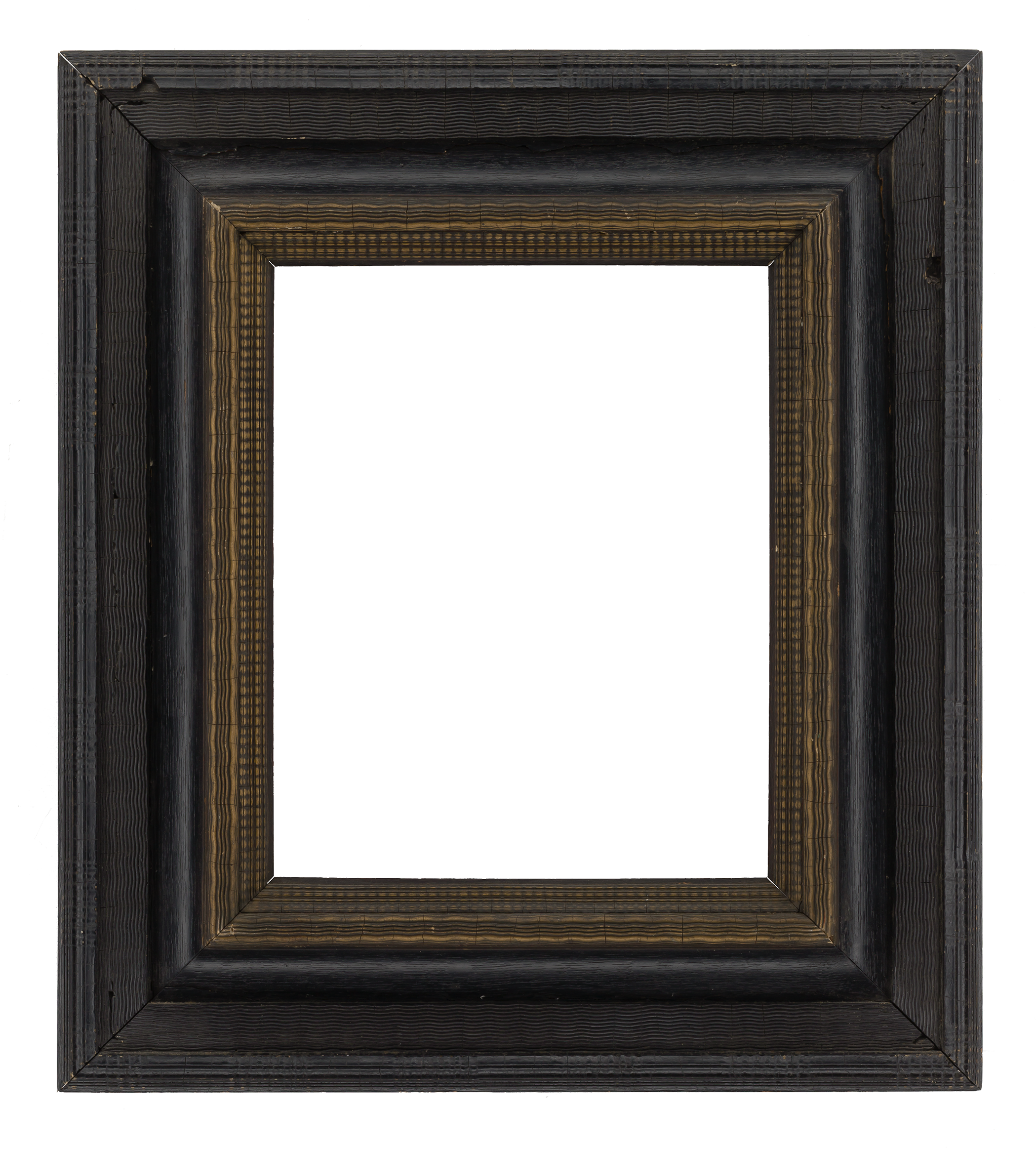
SIZE
Sight Height: Black
Sight Width: 5.625
DETAILS
Century: 19th Century
LOWY VIRTUAL FRAMING
Curious to see how your art could look hanging on a wall in a Lowy frame? Using Lowy's Virtual Framing Tool, you can see what your painting could look like in different frames and even how it could look hanging on your wall.
Lowy's Virtual Framing Tool guides you through the simple process. All you'll need to get started is a JPG photo of the unframed artwork, the artwork's dimensions and a photo of your wall.
ARTWORK PHOTO
ARTWORK DIMENSIONS
WALL PHOTO
REQUEST QUOTE
Is there a piece in your collection that you know would look so much better in a new frame? Do you have a large collection of art that needs all new frames but don’t know where to start? Are you searching for a creative solution to display a family heirloom but need some help? Lowy has you covered.
TRUSTED BY